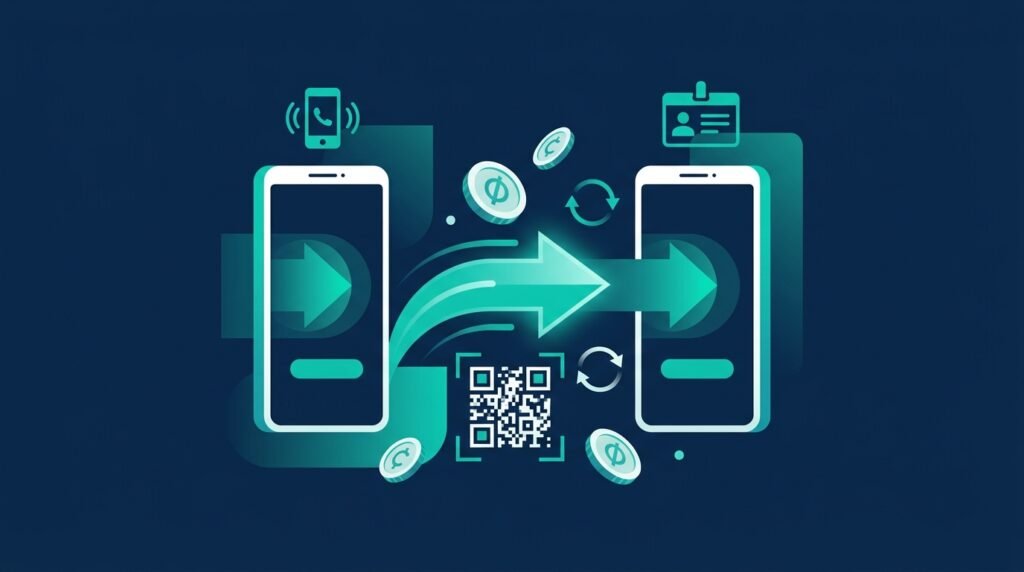
DuitNow Explained: QR, Transfers, AutoDebit and Cross-Border Pay
If Malaysia’s payment system had a face, it would be DuitNow. Launched in December 2018 and operated by Payments Network Malaysia (PayNet), it’s the brand behind most of the instant payments Malaysians make every day. But “DuitNow” is really an umbrella for several distinct services. Let’s unpack them.
1. DuitNow Transfer — send money with an ID, not an account number
The original idea: instead of typing a long bank account number, you send money to a DuitNow ID. That ID can be linked to:
- Your mobile number
- Your NRIC / MyKad number
- Your passport number (for foreigners)
- A business registration number (for merchants)
Register your account once, and people can pay you just by knowing your phone number. Transfers are real-time, 24/7, moving between any participating bank or e-wallet in seconds.
2. DuitNow QR — one code to rule them all
Before DuitNow QR, merchants often had a cluttered wall of separate QR codes — one for each e-wallet. DuitNow QR replaced that with a single national QR standard.
Now one QR code accepts payment from virtually any Malaysian banking app or e-wallet — Touch ‘n Go, GrabPay, Boost, MAE, and more. For merchants it means one sticker; for customers it means “just scan with whatever app you have.”
Adoption has been explosive: by end-2025 there were nearly 3 million registered QR touchpoints, and QR transaction volumes more than doubled to around 3 billion in a year.
3. DuitNow AutoDebit — set-and-forget recurring payments
DuitNow AutoDebit lets you authorise recurring deductions — subscriptions, insurance premiums, loan instalments, utility bills — directly from your bank account or e-wallet after a one-time consent.
For businesses, it’s a cleaner alternative to older direct-debit mechanisms and reduces failed or missed recurring collections. For consumers, it’s the “never think about this bill again” button.
4. Cross-border DuitNow QR — scan and pay while travelling
This is where it gets genuinely useful for travellers. Malaysia has linked DuitNow QR with several regional systems, so you can scan a foreign merchant’s QR using your normal Malaysian app:
- 🇹🇭 Thailand — PromptPay
- 🇮🇩 Indonesia — QRIS
- 🇸🇬 Singapore — NETS
- 🇰🇭 Cambodia — Bakong
- 🇨🇳 China and others
The foreign amount is converted to ringgit at a competitive rate shown before you confirm — no money changer, no foreign cash. It works both ways: tourists from linked countries can scan Malaysian merchants’ DuitNow QR and pay in their home currency.
PayNet has also expanded ties with Ant International, opening up payment at a huge network of Alipay+ merchants worldwide. Cross-border QR transactions grew roughly 2.5x to about 29.7 million in 2025.
One caveat: cross-border DuitNow is designed for one-off, scan-and-pay transactions. Recurring cross-border AutoDebit via QR is not a standard feature — AutoDebit remains a domestic tool for now.
Why DuitNow matters
DuitNow turned Malaysia’s instant-payment rails into something ordinary people actually use dozens of times a week. It’s interoperable (works across all providers), instant, and increasingly borderless. For any merchant, fintech, or e-wallet operating in Malaysia, DuitNow isn’t optional — it’s the ground floor.
FinDeskAsia — explaining the money behind Asia’s fintech.
