
Khee San Plans POS, e-Invoicing and Group-Buying Platform for Malaysia’s Sundry Shops
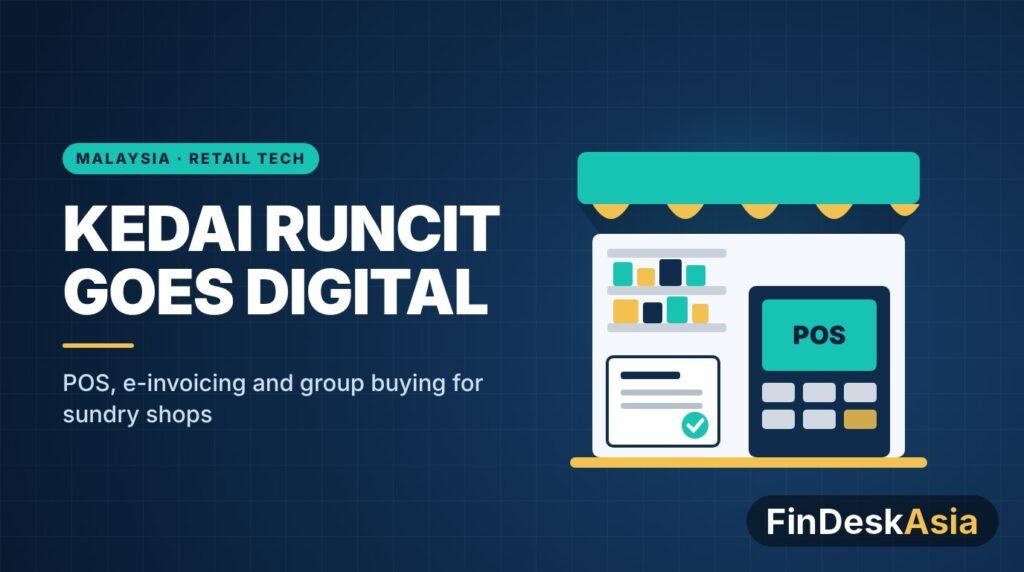
Malaysia’s neighbourhood sundry shops, the kedai runcit that still run on paper ledgers and cash drawers, may soon get a shared digital toolkit. Bursa Malaysia-listed Khee San Bhd has signed a memorandum of understanding (MoU) with the national federation of sundry goods traders to build a platform that bundles a point-of-sale (POS) system, e-invoicing tools and a group-buying hub. The plan is still at an early stage, with a pilot expected first and commercial terms yet to be agreed.
Key facts
- The MoU was signed by Khee San Bhd, the Federation of Sundry Goods Merchants Associations of Malaysia (FSGMAM) and business owner Dr Paul Lim Pang Kiam, who came up with the concept. Khee San disclosed the MoU in a Bursa Malaysia filing.
- The planned platform includes a retail management system (RMS) with POS functions, an e-Invoice portal, an e-Vendor portal and a “Trading Hub” that pools shops’ orders so they can buy stock in bulk at lower prices.
- The parties intend to set up a Malaysian private limited company to own and run the platform, with Khee San as the proposed majority shareholder in charge of day-to-day management.
- The indicative timeline is a pilot in months 1 to 6, a wider rollout to FSGMAM members in months 7 to 12, and further expansion from the second year, all subject to final agreement.
What is being built
A retail management system is the software behind the counter: it tracks stock, records each sale and produces simple reports on what is selling. The POS part is the checkout itself, where the cashier rings up items and takes payment. For a typical family-run grocery, these tasks are often still done by hand or with a basic cash register that does not talk to anything else. The federation has said many of its members rely on manual methods and systems that are not connected to each other.
The e-Invoice portal is meant to help shops cope with Malaysia’s e-invoicing rollout, run by the Inland Revenue Board (LHDN), under which businesses are moving from paper or PDF invoices to digital invoices validated by the tax authority. The e-Vendor portal would connect retailers with suppliers. The Trading Hub works like a buying club: many small shops combine their orders so suppliers treat them as one large customer, which can lower the price per unit.
Khee San managing director Desmond Yong Loong Chen said the programme aims to give independent sundry goods retailers access to practical, affordable digital tools. FSGMAM national president Hong Chee Meng said retailers’ needs should stay the priority, especially when choosing pilot shops, while Dr Lim favours testing the model in phases before scaling it up.
What it means for Malaysians
- For shop owners: a single system could replace several separate tools, from stock books to invoice templates. If group buying works, it could narrow the price gap between small grocers and large supermarket chains.
- For customers: digital POS systems make it easier for small shops to accept cashless payments such as DuitNow QR, the national QR standard run by PayNet, and to issue proper receipts. The partners have not yet said which payment methods the platform will support.
- For suppliers and banks: digital sales and purchase records give a clearer picture of how a small shop is doing. Over time, that kind of data is what lenders and payment providers use to offer working-capital financing to micro-businesses.
There are open questions. No figures have been released on investment, pricing for shops or how many members will take part, and the parties say they are still seeking government subsidies. The detailed features also remain subject to a final agreement.
What to watch
- Whether the MoU turns into a definitive agreement, and how much Khee San puts into the new company.
- Which shops are picked for the pilot, and what they will pay for the POS and e-invoicing tools.
- Whether the platform adds built-in payment acceptance, such as DuitNow QR or card terminals, through a bank or gateway partner.
Related on FinDeskAsia: How SoftPOS turns a Malaysian merchant’s phone into a card machine · Bank Rakyat and Paysys install the first unattended payment terminal
Sources: The Star (October 2026) · DagangNews (October 2026) · New Straits Times (October 2026)
